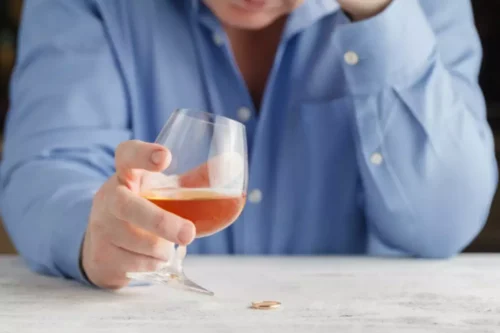

The Surgeon General’s advisory serves as a wake-up call to rethink these common myths and misconceptions about alcohol. Curious to learn more about how to change your relationship with alcohol? Being able to “hold your liquor” generally means you have a higher alcohol tolerance, which can be a sign that you’re drinking more. This doesn’t mean that you can’t have a glass of wine with dinner if you choose to.
- Through vast research, it is found that there are many contributing factors that can increase an individual’s susceptibility to addiction.
- It’s important to remember that while alcohol can play a role in social situations and celebrations for many people, it also carries significant risks.
- Instead, you should keep track of how long alcohol can stay in your system, drink lots of water and wait for your body to clear it all out.
- After the initial high of the first few days off the booze, when the first flush of motivation starts to wear thin, you might start to feel cravings for a drink.
Myth #5: Alcohol doesn’t affect your athletic performance.

The phrase ‘hair of the dog’ suggests that consuming more alcohol can alleviate hangover symptoms. While this belief is quite popular, medical experts widely refute the notion that additional alcohol consumption can cure a hangover. In fact, extending alcohol intake may only offer temporary relief while potentially worsening hangover effects in the long term. It is important to understand that alcohol is metabolized by the liver at a constant rate, and no amount of coffee or other caffeinated beverages can accelerate this process. The only factor that can truly sober up a person is time, allowing the body to naturally process and eliminate the alcohol.
Myth #3: The ability to “hold liquor” lowers the risk of alcoholism
Recognizing the signs and symptoms of teen alcoholism is crucial for early intervention and support. Family environment and dynamics significantly influence a myths about alcoholism teenager’s likelihood of developing alcohol-related problems. This pressure can be particularly intense in environments where underage drinking is common and seen as a norm, as noted by the American Academy of Pediatrics. The Centers for Disease Control and Prevention (CDC) reports a gradual decrease in alcohol consumption among teens over the past decade. The numbers are staggering, with a significant portion of teenagers engaging in alcohol use, often influenced by peer pressure, media portrayals, and sometimes family behaviors.

Myth #9: Alcoholics Anonymous (AA) Is Only For Religious People
And while alcohol can initially make you feel alcoholism treatment looser and at ease (again, because it’s a depressant), the effects don’t last long. In fact, alcohol may actually cause more anxiety the day after. In other words, coffee may just mask the feeling of being drunk, which is still not good.
- High tolerance also increases your risk for dependence and addiction.
- This may include alcohol withdrawal symptoms like headaches, nausea, vomiting, or mental health repercussions like anxiety or depression.
- Still, they are red flags that should prompt further investigation and possibly professional assessment.

That’s why as many as 28% of people with chronic pain turn to alcohol to alleviate their pain. At Healthgrades, our Editorial Team works hard to develop complete, objective and meaningful health information to help people choose the right doctor, right hospital and right care. Our writers include physicians, pharmacists, and registered nurses with firsthand clinical https://ecosoberhouse.com/article/how-long-does-heroin-stay-in-your-system/ experience. All condition, treatment and wellness content is medically reviewed by at least one medical professional ensuring the most accurate information possible.